© Copyright 2024 Antico Caffè del Moro
Trans Tiberim
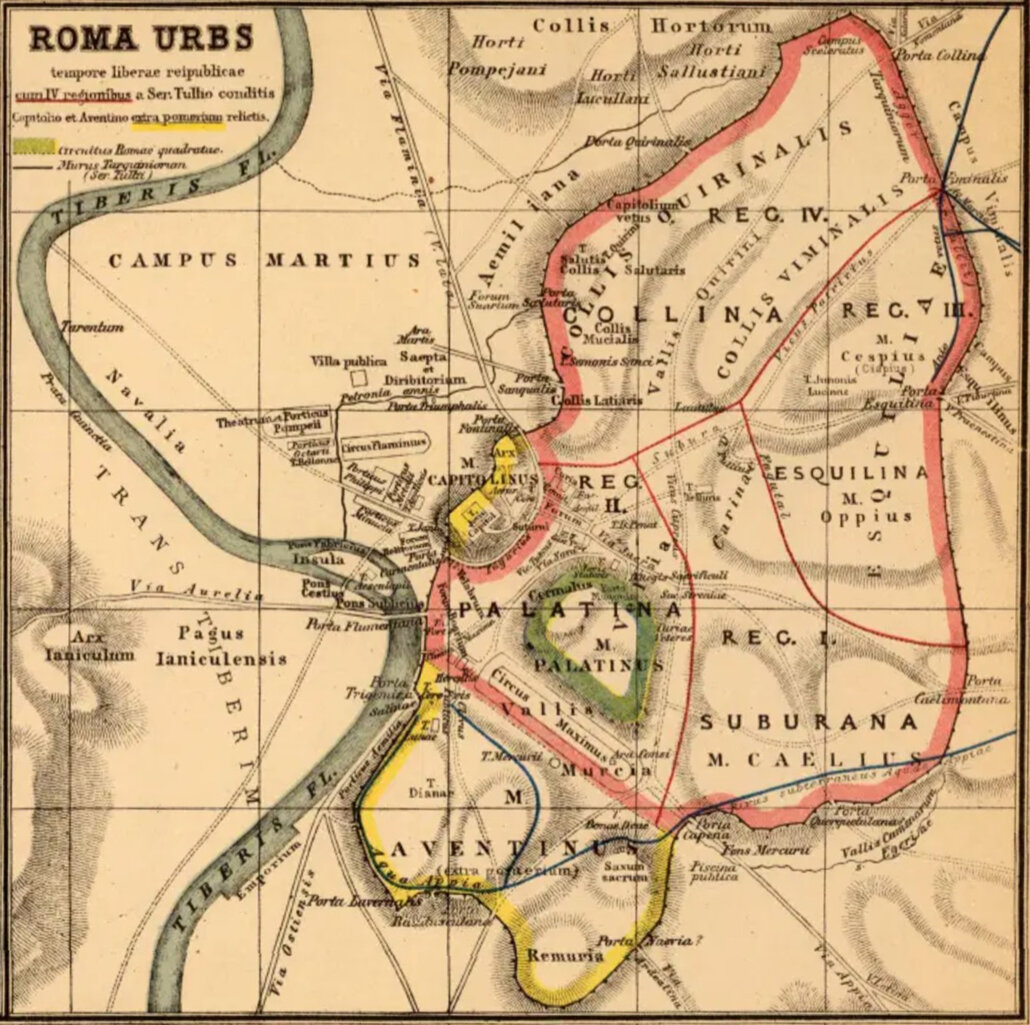
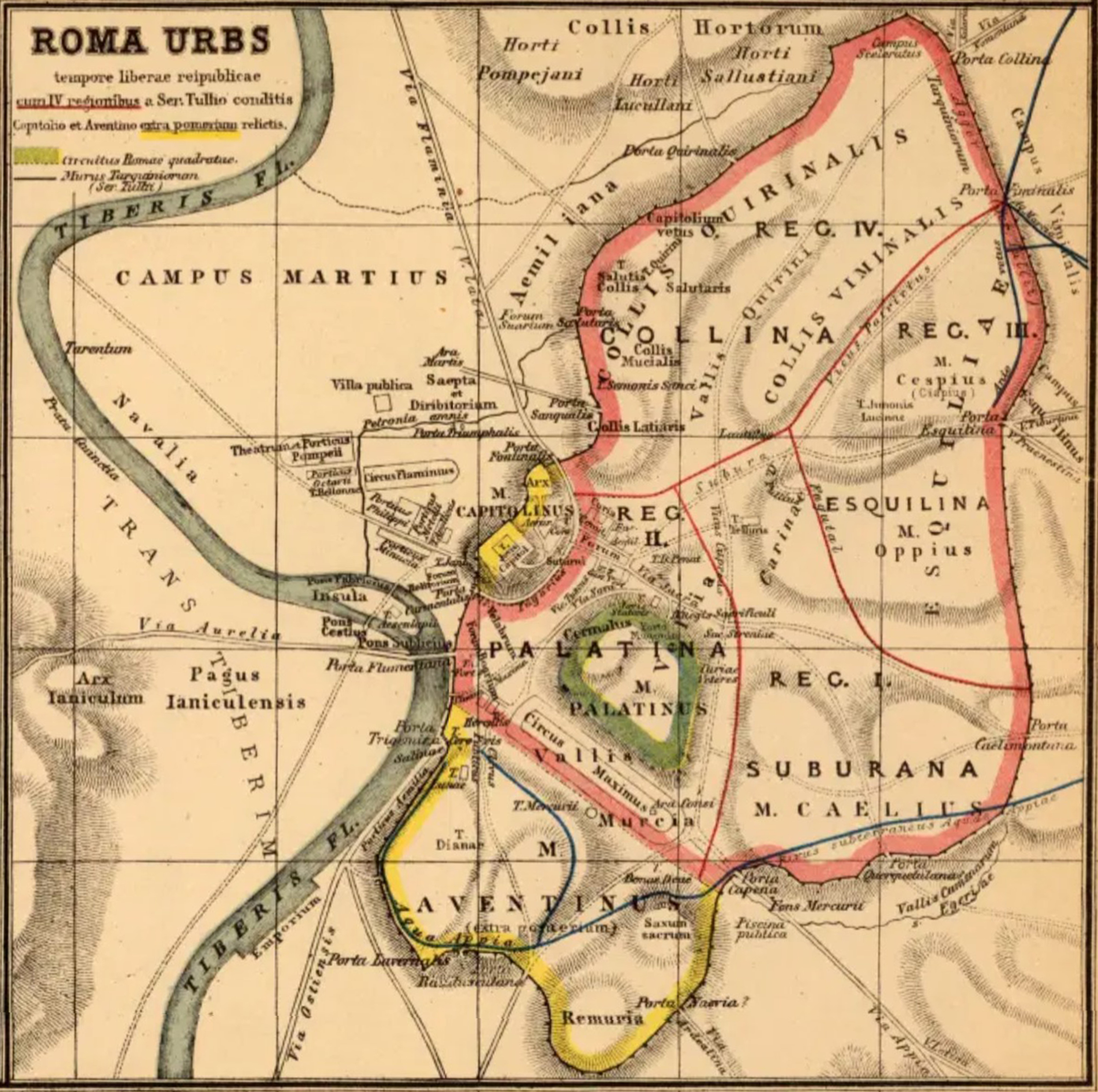
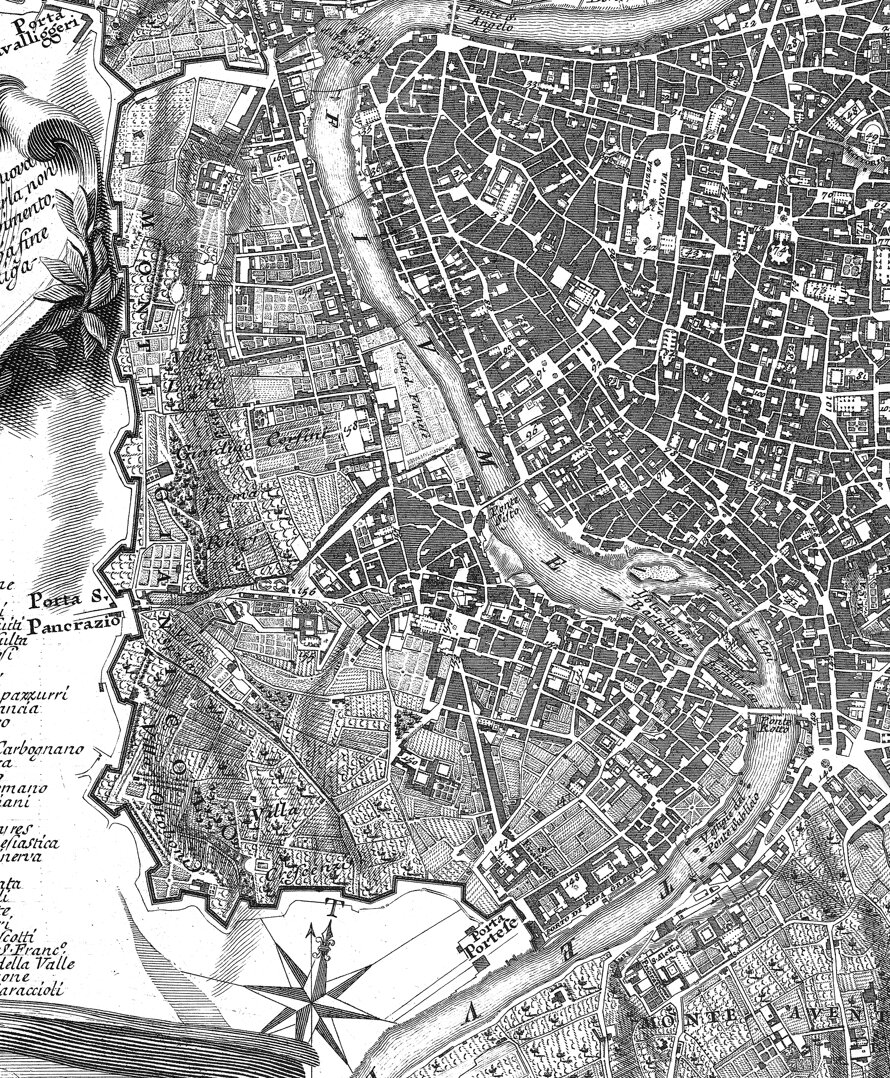
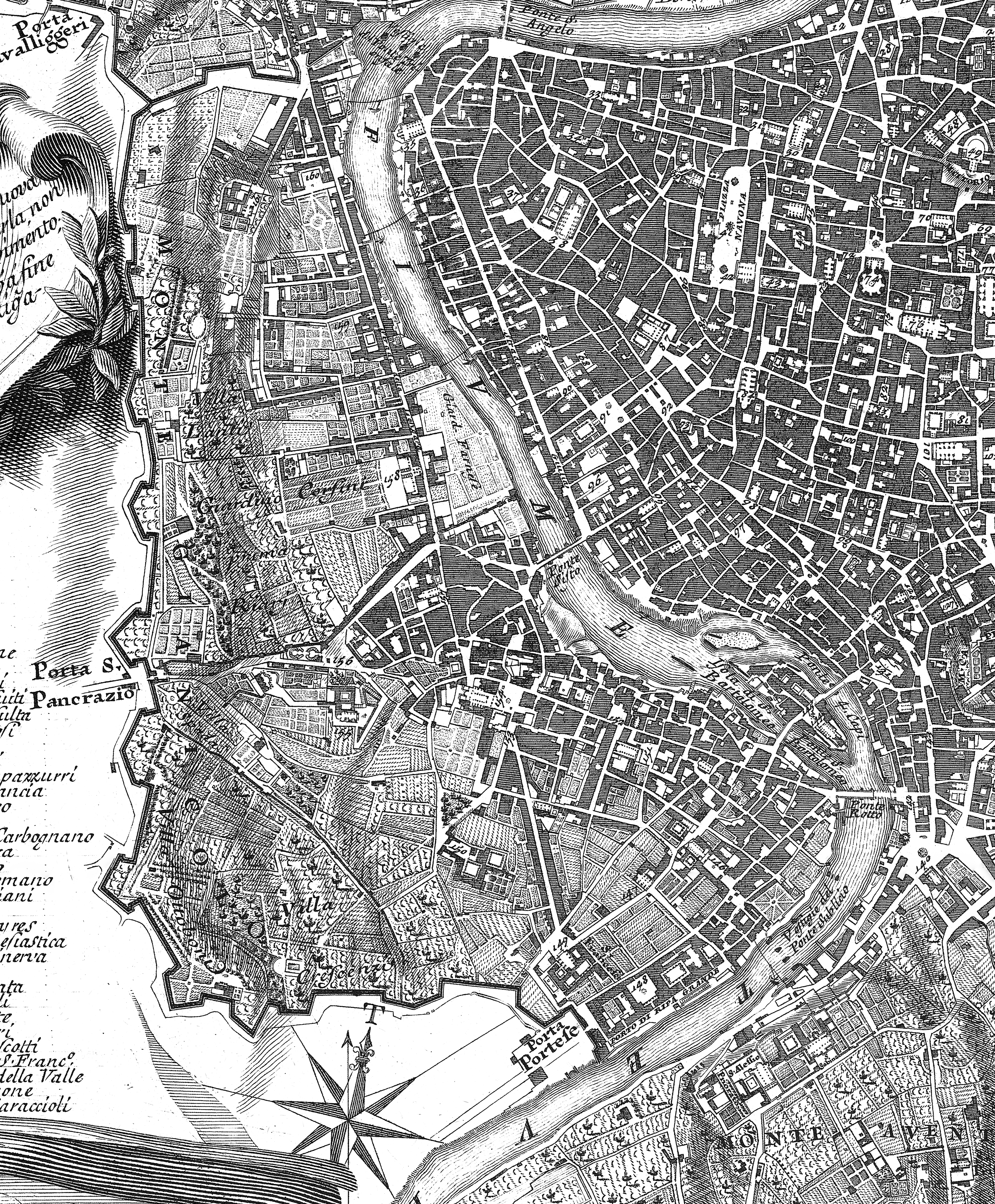
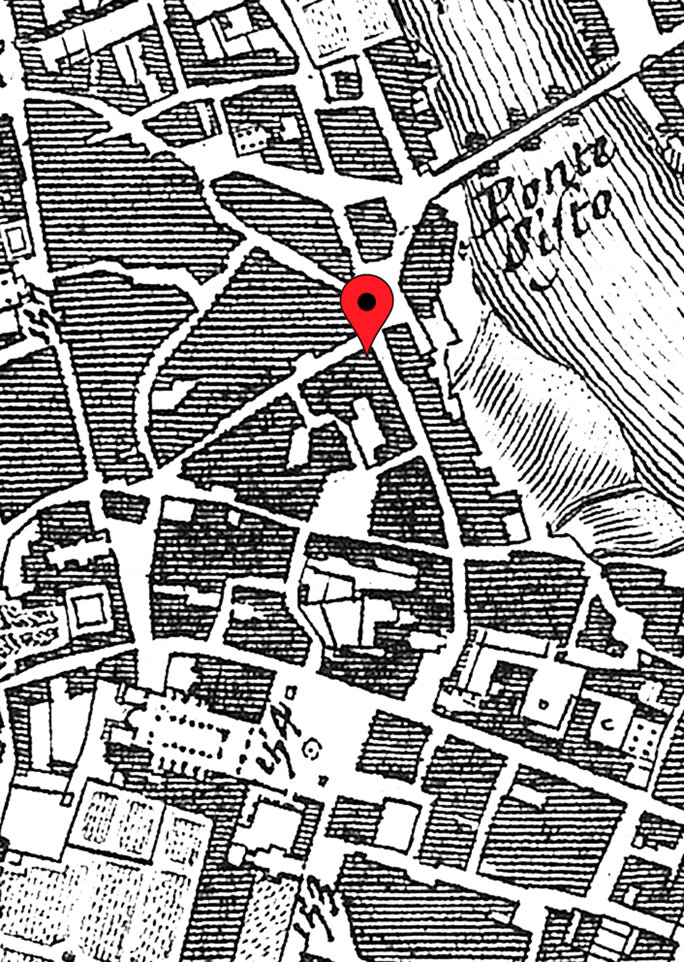
The area of the XIII Rione at the time of its foundation of Rome was Etruscan land, the agglomeration that would become the Rome imperial stood on the right bank of the Tiber and own that territory became of fundamental importance for the control of the river itself. The first bridge to connect the two sides was the Sublicio Bridge, first connected through the Ford to the Tiberina Island.
During the Republican era, the area was populated Immigrants and river workers, mostly sailors, fishermen.
Slowly towards the end of this era with the expansion of river trade and roads, initially off-shore.
The first buildings began to arise. Already from the III sec. BC the current street of Lungaretta was exactly the same as the route that connected the current Portuense to the Aurelia way.
Later Augustus divided Rome into regions, the Trans-Tiberim Regio (beyond the Tiber) was the last 14th and grew up in a vast neighborhood, which remained outside the walls until the construction of the Aurelian Walls (275 AD).
The Rioni and the Coat of Arms
Thus on 18 May 1743, Trastevere became the XIII Rione, and was adopted the current coat of arms of the Golden Lion’s Head in red field.
A 19th century Roman scholar, Giuseppe Baracconi, traces the coat of arms back to to a legend: Between the eleventh and fifteenth century it was customary to have a Lion in a cage Under the Capitol, it is said that a boy came too close to the cage and was killed by the fair. The Lion was suppressed and the tradition ended with him apparently on a Sunday in November 1414 and was later replaced by a wolf. The lion’s head was buried in a garden at Tiber from the head of the Rione Ripa to which it had been donated. The legend became a source of popular pride and when they divided Trastevere
from the Ripa district, this one chose the helm of a ship while Trastevere chose the Caput Leonis.
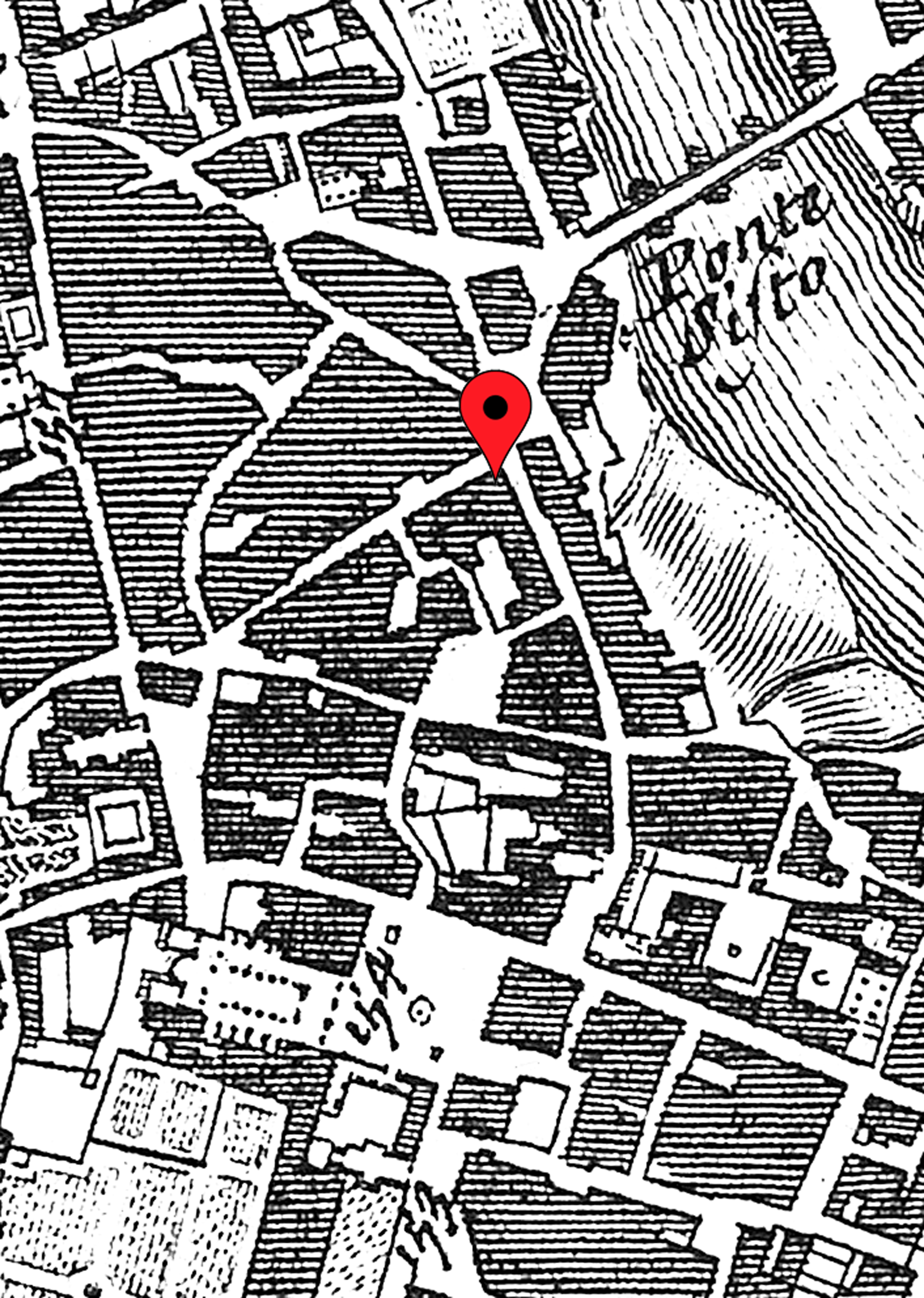
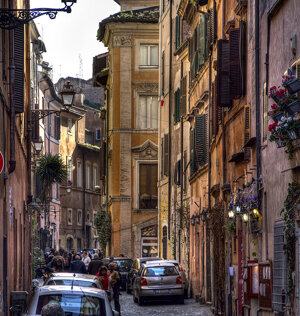
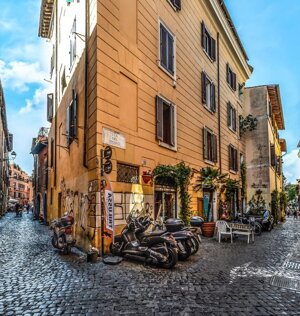
Via del Moro
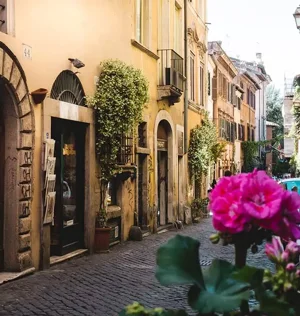
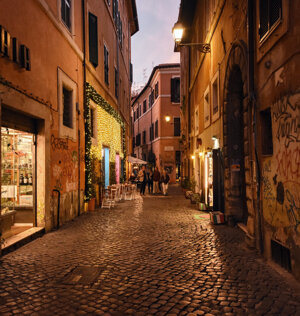
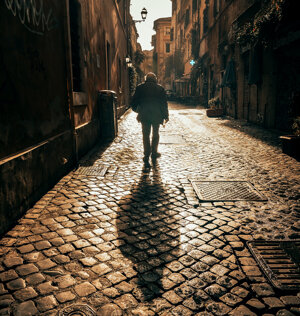
The road leads from Santa Maria in Trastevere to Trilussa square, Via del Moro became particularly famous for the 1911 adaptation, The actor Alfredo Bambi in his theatrical performances, the drama Er fattaccio (of the alley of the Moro), written by Americo Giuliani.
The street is mentioned by Cesare Pascarella in his sonnet La Serenata.
Along the way there are medieval and renaissance walls and structures Another historic place is the Valsani pastry shop, which has been in existence since the 1920s.
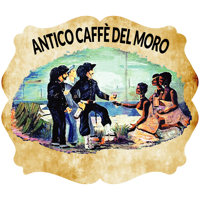
From the end of the 19th century in a palace of the '600, At the corner with via della Pelliccia, there is the Antico Caffè del Moro, the
placed above the premises, donated by the Conti Branca, is made of wrought iron hand and painted with enamel paint is the second oldest in Rome, makes reference to the war of Abyssinia (1896), there are depicted two mariners and a sailor offering a glass of liqueur to three abysmal.
© all rights reserved Antico Caffè del Moro